
Article
Modern Transit Requires Modern Payments: Why Flexibility Wins
Transit fare payment is changing fast, and rider expectations are changing with it.
Today's riders expect to move easily across transit networks using the payment method that works best for them, whether that means a contactless transit payment with a bank card, mobile transit payments from a digital wallet, scanning a QR code, or relying on a dedicated transit credential. At the same time, transit agencies and system integrators are modernizing aging fare collection systems to create more connected, inclusive, and scalable transportation ecosystems.
As transit payment programs expand globally, one principle is becoming increasingly clear: supporting every rider means supporting every payment method.
Modern Transit Demands Payment Flexibility
Historically, transit systems operated using closed-loop models, agency-issued fare cards designed specifically for transportation networks. While these systems remain essential in many markets, today's riders increasingly expect the convenience of using familiar payment methods already in their pockets.
This shift has accelerated adoption of:
- Open Loop Transit Payments - EMV transit payments with contactless cards and mobile wallets
- Closed Loop Transit Cards - Regional and agency-issued fare credentials
- QR Code and Mobile Transit Payments - Mobile-based fare validation and digital ticketing
Transit agencies are no longer choosing one approach over another. They are building environments that support all three.
The result is a more inclusive transit ecosystem that serves daily commuters, occasional riders, tourists, concession programs, and underserved populations alike. Modern fare collection isn't about replacing payment methods. It's about creating flexibility.
Meeting Global Transit Requirements Means Supporting Multiple Payment Types
Mass transit environments introduce requirements that extend far beyond traditional retail payments. Transit systems must process transactions in high-volume environments while maintaining throughput, security, compliance, and rider convenience. Payment infrastructure must also support regional transit requirements, local fare policies, and evolving rider preferences.
To meet these expectations, transit integrators are modernizing infrastructure to support:
- Faster boarding and reduced congestion
- Open and closed loop acceptance
- Mobile and QR-based ticketing
- Global transit certifications and payment standards
- Future expansion without replacing existing infrastructure
The agencies leading this modernization understand that flexible payment acceptance creates better rider experiences and more resilient transit networks.
ID TECH Powers the Modern Transit Ecosystem
As transit operators modernize their fare collection systems, ID TECH provides a complete portfolio of transit payment solutions designed specifically for the transit environment.
Supporting every rider interaction, from entry to validation, ID TECH enables secure, reliable contactless transit payment acceptance across every touchpoint.
ID TECH delivers payment solutions across:
- Validators and transit card readers
- Inspection devices
- Ticket vending machines (TVMs) and AFC payment terminals
- Gates and turnstiles
This unified approach allows system integrators to deploy a consistent payment experience across their entire transit infrastructure.
Featured Transit Payment Hardware
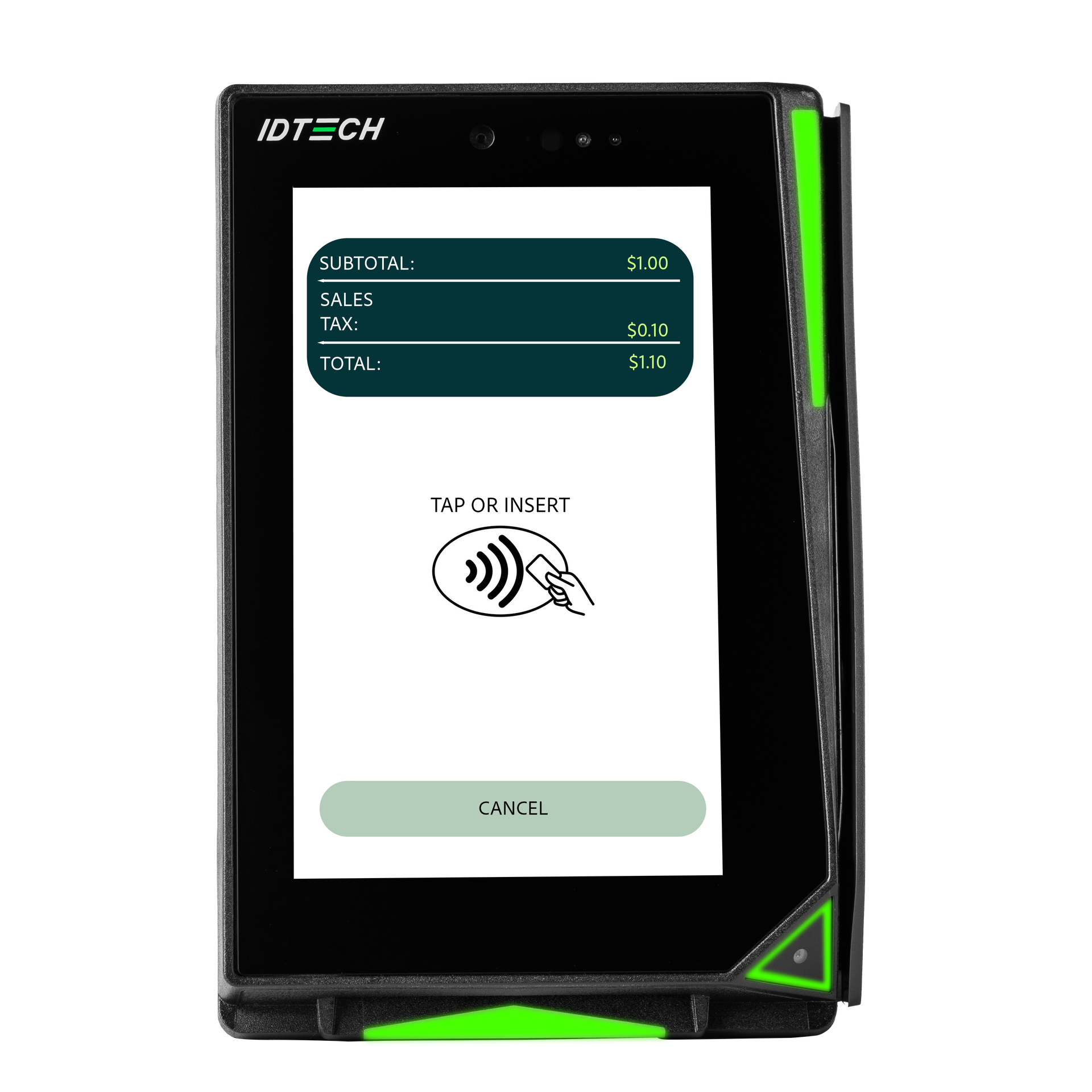
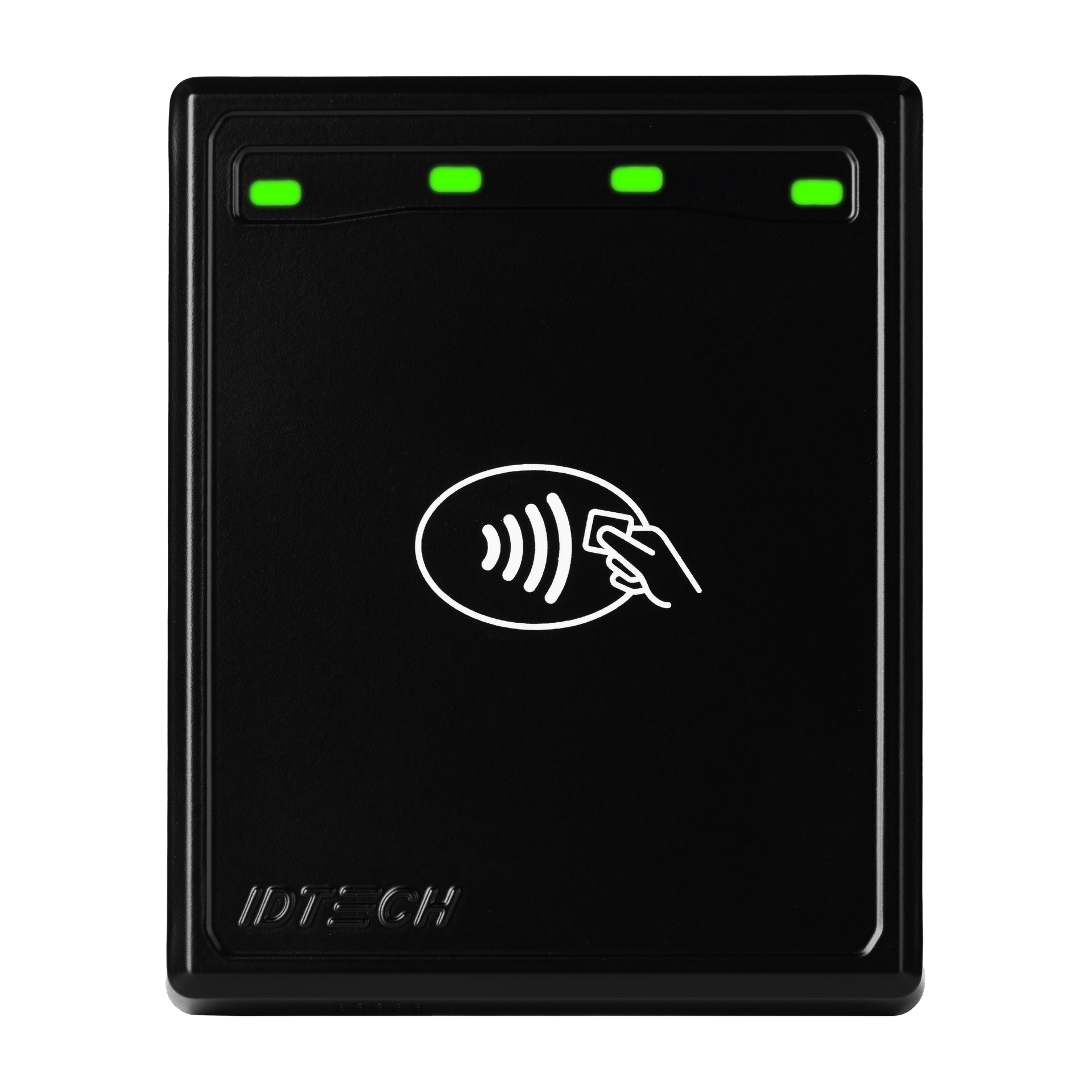
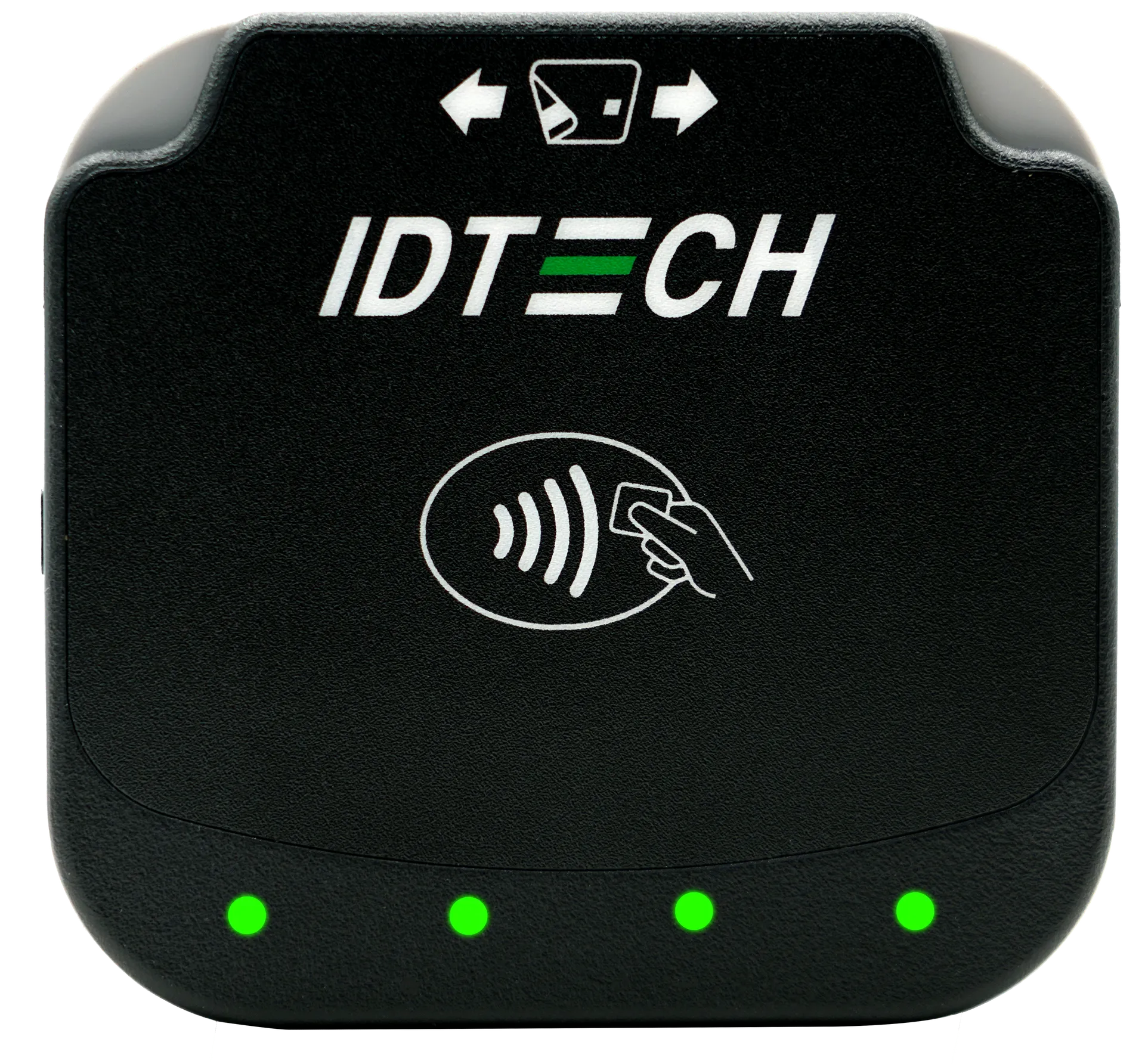
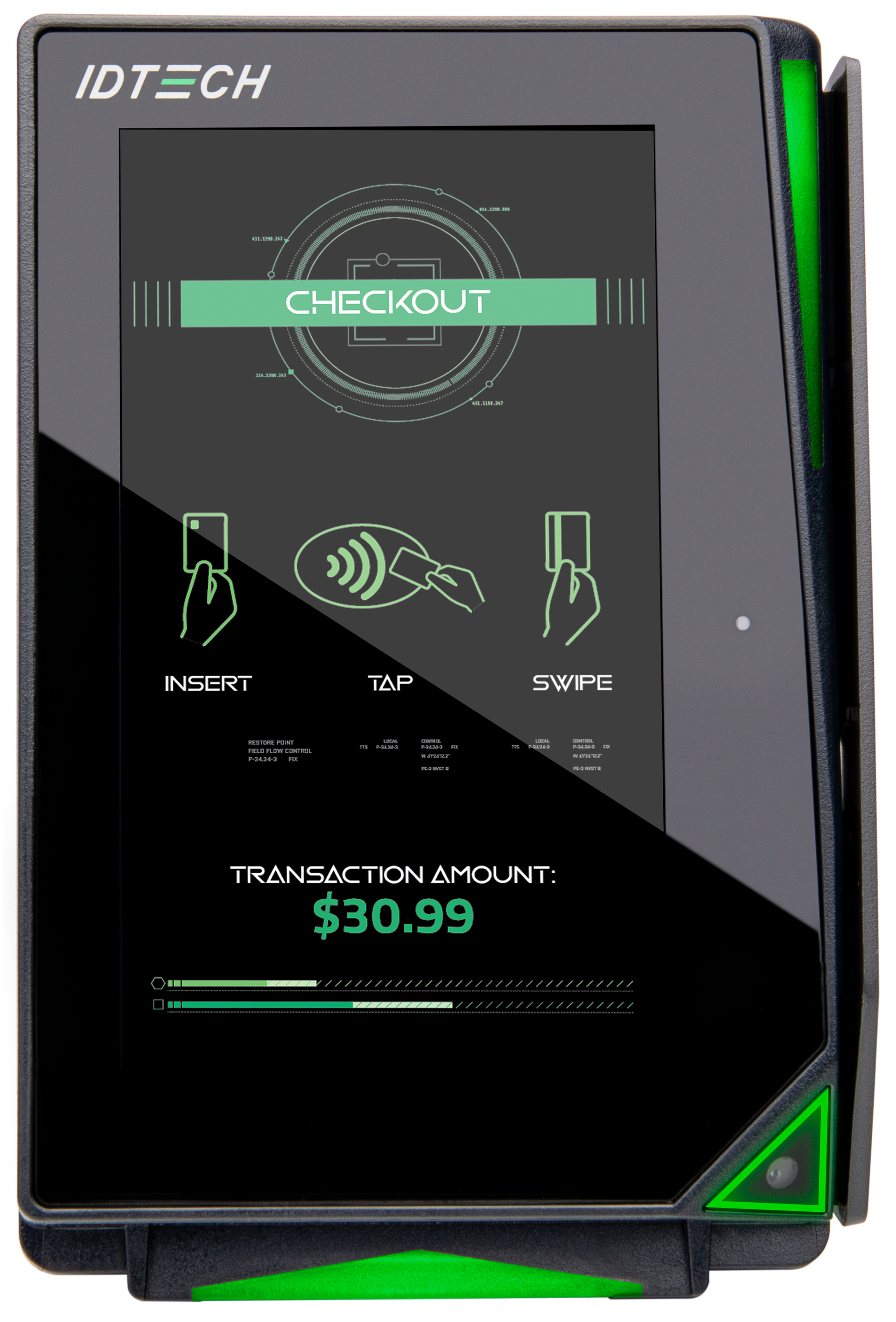
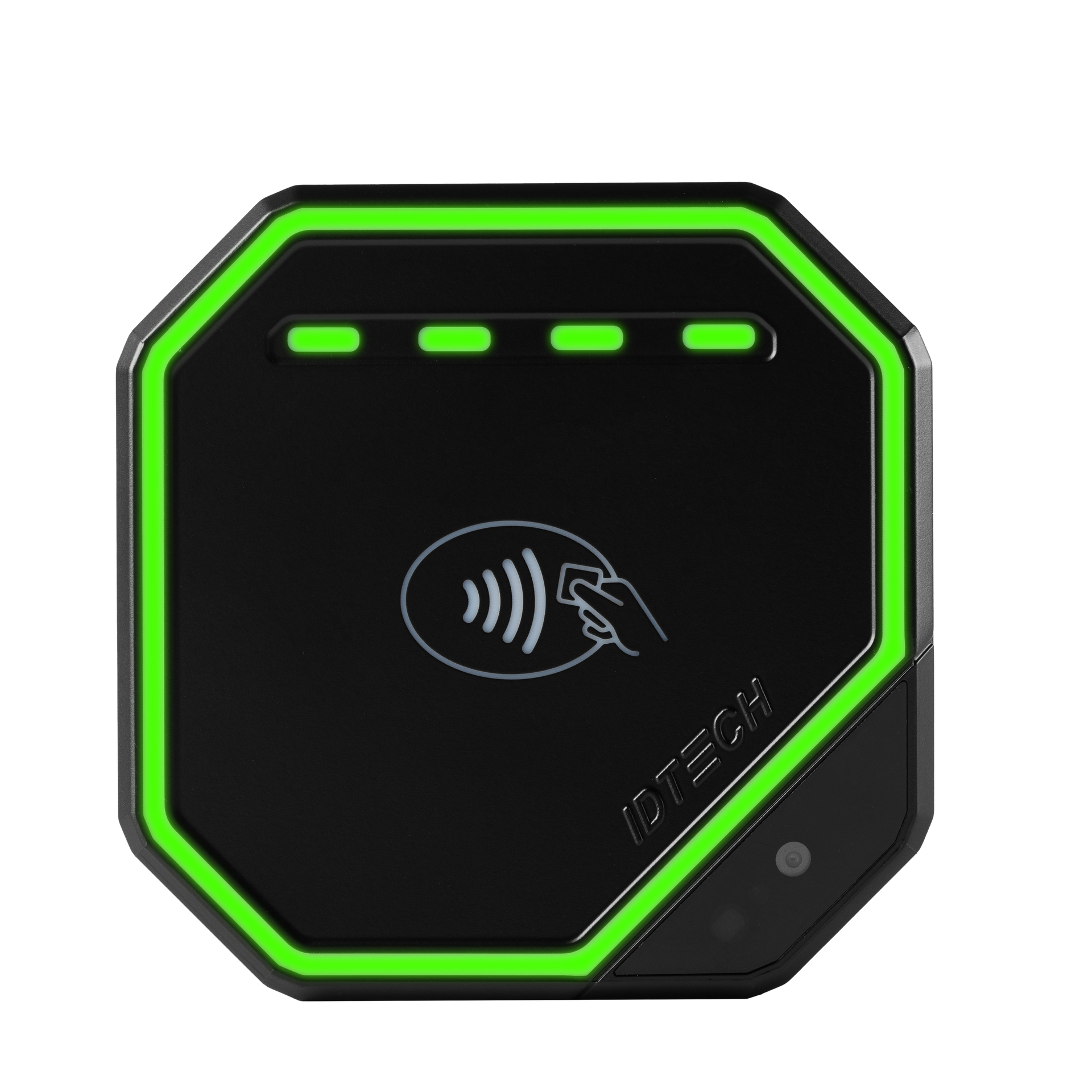
Broad Acceptance Across Global Transit Payment Types
Transit systems require flexibility to support local and international riders. ID TECH supports one of the broadest ranges of transit payment credentials, including:
- Open loop transit payments: EMV transit payments with contactless cards, mobile wallets, and transit-specific kernel implementations where supported
- Closed loop: support for established global transit standards
- QR code and mobile transit payments: integrated QR capabilities for mobile ticketing and alternative fare media, with optimized decoding performance
By enabling open loop, closed loop, and QR acceptance within a single ecosystem, ID TECH helps transit operators adapt to changing rider expectations without limiting future growth.
Purpose-Built Hardware for Transit Environments
Transit infrastructure demands more than standard payment devices. Every ID TECH transit card reader is engineered to perform in the environments transit systems operate every day, from bus payment terminals to rail payment systems. Key hardware capabilities include:
- Vibration Testing Certification (IEC 61373) Validated to withstand continuous vibration and mechanical shock found in buses, trains, and moving vehicles.
- Enhanced IP65 Protection Built for outdoor deployment with protection against water, dust, and demanding operating conditions.
- Extended Temperature Range Designed to perform consistently across extreme climates and global deployments.
- Small Form Factor Compact designs simplify integration across validators, kiosks, and gate environments.
Firmware Designed for High-Throughput Transit
Hardware is only one piece of the equation. ID TECH firmware includes capabilities developed specifically to support transit payment requirements.
- Exceptional Contactless Reading Speed Optimized for fast rider throughput with rapid card detection and seamless tap performance.
- Transit-Specific Payment Functionality
Advanced capabilities include:
- HMAC and hash-based PAN processing
- Support for deny lists
- Fare aggregation
- ODA support
- Flexible integration with transit back-end systems
These features help transit operators maintain security while delivering efficient fare collection.
No Rider Left Behind
Transit modernization is not simply a technology initiative, it is a rider experience initiative. By supporting open loop transit payments, closed loop cards, and QR code payments together, transit agencies can create systems that increase accessibility, improve throughput, and meet the expectations of increasingly connected riders.
The future of transit is flexible. And the infrastructure powering that future must be ready to support every journey.
With complete transit payment solutions, broad global acceptance, and hardware and firmware designed specifically for transit, ID TECH helps system integrators build payment ecosystems ready for what's next.
Get In Touch
Tell us about your environment and our team will follow up.